
Brazil opened a regulated online gambling market on January 1, 2025, sold licenses that covered sports betting and casino games, and collected close to R$10 billion in fees and taxes in the first year. Now, according to Reuters, the government is preparing to ban the casino games and keep the sports betting.
The proposal is not law yet. But if it goes through, the operators who paid to enter Brazil’s market will lose the product that, for many of them, brings in most of the money.
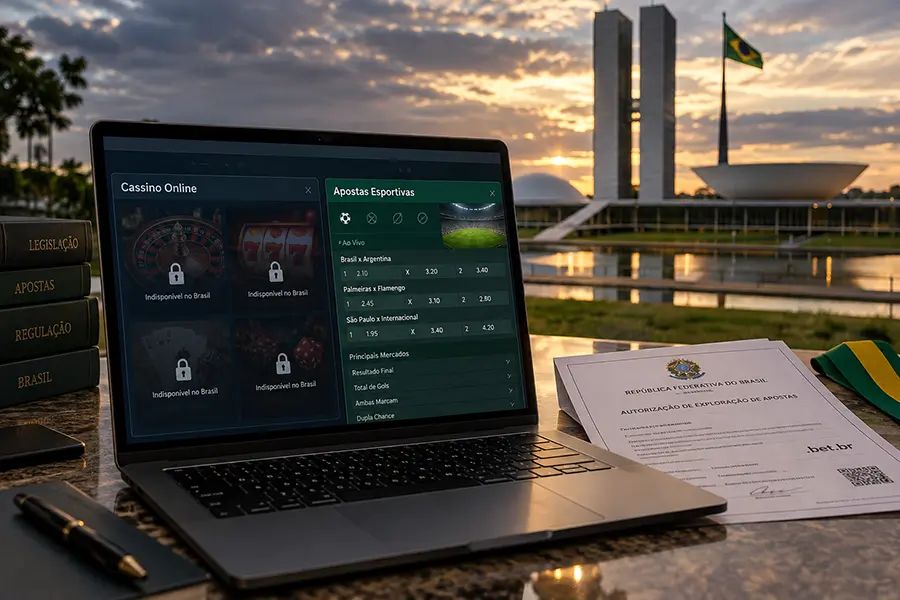
What Brazil built
Since the start of 2025, any operator serving Brazil legally has needed authorization from the Secretariat of Prizes and Betting and has had to run on a government controlled .bet.br domain, which makes licensed sites easy to tell from the rest. The system covers fixed odds sports betting and approved online casino games, and 188 brands currently hold authorization.
The money has followed. Reuters puts the government’s take from licensing fees and taxes at nearly R$10 billion, about $1.95 billion, for 2025. A ban is not a case of a government deciding it never wanted casinos. It is a government that built a market around them and charged for admission changing its mind.
Casino is where the revenue is
Industry estimates cited by Reuters have casino games producing a large majority of revenue at some licensed operators. The split varies by company, but sports betting rises and falls with the calendar while slots run all year, and most operators priced their Brazilian licenses on having both.
Take casino away and the license they bought is a different, smaller thing. That is why industry groups are already talking about compensation, with one estimate putting potential claims at R$120 billion. Treat that as an opening bid rather than a bill; what Brazil might owe depends on the final text of the measure, the terms of the licenses and the courts. But litigation is plainly coming if the ban is.
It cuts against everything else Brazil has done
Days before the Reuters report, the Secretariat brought in new powers to go after the money behind unauthorized betting: identifying payment channels linked to illegal operators, interrupting transactions and blocking accounts. Blocking a website is easy to evade. Blocking the payments is not, and it is the strongest tool Brazil has built so far for pushing players toward licensed sites.
A casino ban would send those players the other way. The demand for slots and blackjack does not go away because the .bet.br sites stop offering them. It goes to the offshore sites the payment rules were designed to starve. Brazil would be tightening the net around unauthorized operators and, at the same time, handing them the most popular product in the market.
Whether that works depends on enforcement
If the payment blocking and domain controls are good enough to keep players off offshore casinos, a ban would shrink casino play. If players can still reach offshore sites with a VPN and a crypto wallet, which in most countries they can, a large share of a legal, taxed market simply becomes an illegal, untaxed one. Licensed operators will make that argument loudly, and it is their best one.
What stays
Sports betting stays legal and regulated. Brazil would end up with licensed sportsbooks that cannot offer the casino games sitting next to them today, and for some operators that will decide whether staying in Brazil is worth it. The country has already tightened advertising rules and added player protections. Removing an entire product category is a different order of change.
Why it matters beyond Brazil
Nothing is final. The wording, the timetable and the legal challenges will decide how big this becomes. But the question it raises is one every newly regulated market should notice. Operators paid Brazil for licenses, built local businesses and moved onto its domains on the understanding that the rules were the rules. If a government can remove the main product two years in, that understanding is worth less everywhere.
For players in Brazil the practical outcome is simpler. The sportsbook stays. The casino games go somewhere else, and whether that somewhere is nowhere or offshore is the whole question.
Last Updated: 2 weeks ago


