
- Scratch offs have to show buyers the math
- Pokémon cards sell the same chase without the same level of disclosure
- That consumer protection gap is getting harder to ignore
I’m writing this after standing in line for more than two hours trying to buy Pokémon cards, and the obvious comparison was scratch offs.
Not because the products are identical. They are not. But because both are built on the same engine: pay a fixed price, open something random, and hope this time you hit something worth more than what you spent.
That is not a small similarity. That is the whole business model.
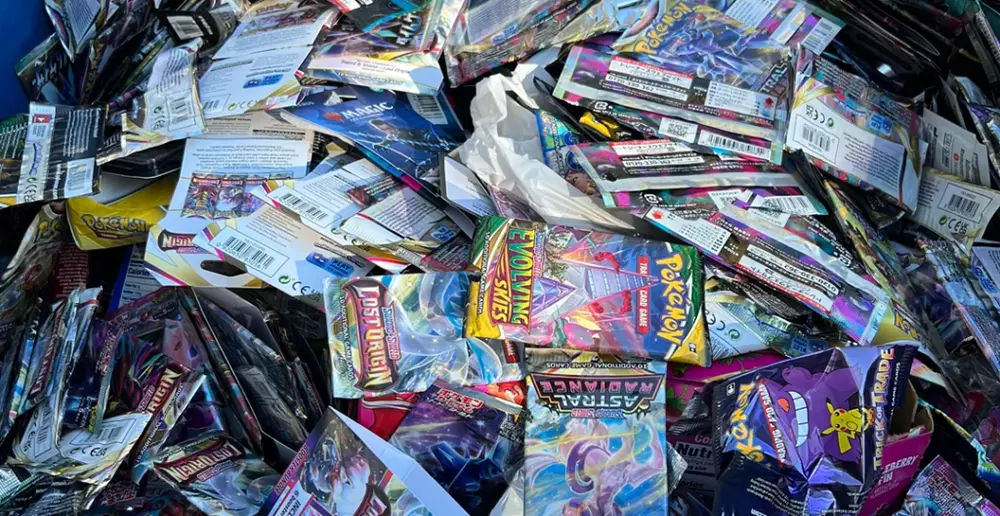
The Chase Is the Product
Nobody stands in line for hours because they are excited to pull bulk.
They are there for the chase. The rare card. The big hit. The one pull that makes the pack feel worth it. That is the same emotional hook scratch offs have used forever. The buyer is not paying for certainty. The buyer is paying for a shot.
That is why the comparison lands so easily.
Scratch Offs Have to Show the Math
Scratch offs are still a bad bet for most people, but at least they are forced to be honest about the structure.
The odds are published. The prize tiers are listed. The consumer can see, before buying, what kind of gamble they are making. You may still decide to take it, but you are not going in blind.
That is what regulation looks like.
Pokémon Cards Do Not
Pokémon packs are sold on the same kind of randomized upside, but without the same disclosure.
The chase cards are what drive the hype, the content, the resale market, and the lines outside stores. But buyers are not given full official pull rates for the cards they are actually chasing. Instead, the market has to reverse engineer the odds through mass openings, spreadsheets, and community estimates.
That is a huge gap.
With scratch offs, the odds are part of the product.
With Pokémon cards, the odds are mostly guesswork after the money is spent.
The Value Usually Does Not Hold Up
This would be easier to shrug off if packs were good value on average. They are not.
Even the stronger modern sets tend to return well below the price paid once you compare pack cost to what buyers are actually likely to pull. The best case examples still fall short of break even. Most sets are worse.
Scratch offs are no bargain either, but that is not the point. The point is that scratch off buyers can at least see the shape of the loss upfront. Pokémon buyers usually cannot.
The Consumer Protection Gap Is the Story
That is the real issue here.
Not whether Pokémon cards should be called gambling in the strict legal sense. Not whether collectors enjoy the hobby. Not whether some people get lucky and pull something huge.
The issue is that this is a randomized chase product built around perceived upside, and it is being sold without the level of disclosure most people would expect from anything else that behaves this way.
That is why the scratch off comparison works.
One product has to explain the risk.
The other gets to let the community figure it out.
The Line Between Collecting and Gambling Style Behavior Is Getting Harder to Ignore
Pokémon cards still carry nostalgia, collecting value, and real hobby appeal. That part is true.
But it is also true that the sealed pack business runs on the same cycle that drives every other chase product: anticipation, randomness, disappointment, repeat purchase.
Pay.
Rip.
Miss.
Buy again.
That loop is not imaginary. It is the product.
Final Take
Once you strip away the branding, Pokémon cards are starting to look a lot like scratch offs.
Not because they are exactly the same, but because both sell a randomized hit to people willing to pay for the chance. The difference is that scratch offs have to show the odds, while Pokémon cards do not.
That is not a minor detail.
That is the whole story.
Last Updated: 1 month ago